Becoming a DIY Landlord? 9 Mistakes to Avoid

Key Takeaways
- Manage your rental like a business: Consistent policies, thorough tenant screening, accurate market-based pricing, and organized records help reduce risk and protect your investment.
- Plan for long-term success: Budget for repairs, vacancies, and capital expenses, and address maintenance issues promptly to avoid larger, more costly problems.
- Stay compliant with landlord responsibilities: Understanding fair housing laws, lease requirements, security deposit rules, and local regulations can help prevent legal and financial setbacks.
- Know when to seek professional support: As responsibilities grow, a property manager can provide expertise, systems, and operational support that save time, reduce mistakes, and improve your property's performance.
Managing a rental property yourself can seem straightforward at first. Rent is collected, repairs are arranged when something breaks, and tenants go about their daily lives. In reality, self-management involves decisions that affect your property's finances, legal compliance, and long-term value.
Many new landlords don't run into trouble because of one major mistake. More often, small oversights accumulate over time; a rushed leasing decision, delayed maintenance, or incomplete paperwork eventually turns into a much larger and more expensive problem.
Understanding where DIY landlords commonly struggle can help you avoid those setbacks from the beginning, and hiring
American Heritage Properties as your property manager can help you navigate everything.
1. Treating Your Rental Like a Hobby Instead of a Business
It's easy to become informal when you're managing your own property, especially if you only own one rental. You may agree to verbal requests, overlook late payments once or twice, or make exceptions that seem harmless at the time.
The challenge is that inconsistent decisions become difficult to defend later. Clear lease terms, written communication, organized financial records, and consistent policies create expectations that protect both landlords and tenants in San Diego. Running your rental like a business makes day-to-day decisions simpler and disputes easier to resolve.
2. Filling a Vacancy too Quickly
Imagine your property has been vacant for several weeks. An applicant is ready to move in immediately, so skipping a few verification steps may feel like the fastest way to stop the financial bleeding.
Unfortunately, rushing the screening process often creates larger problems than the vacancy itself. Income verification, rental history, references, and legally permitted credit checks help evaluate an applicant. Taking a little more time upfront can prevent months of missed rent, lease violations, or costly legal issues later.
3. Setting Rent Without Understanding the Local Market
Setting rent isn't simply a matter of checking a few online listings. A property's condition, neighborhood demand, available amenities, competing rentals, and seasonal trends all influence what renters are willing to pay.
For example, pricing a home even slightly above comparable rentals may leave it sitting vacant while similar properties lease first. On the other hand, setting rent too low may attract interest quickly but reduce your annual income and make future rent adjustments more difficult. Regular market research helps balance occupancy and profitability.
4. Assuming Rental Income will Cover Every Expense
The first few months of steady rent collection can create a false sense of financial security.

Then an HVAC system fails during the hottest week of summer, a plumbing issue requires immediate attention, or insurance premiums increase at renewal.
These situations are part of owning rental property. Maintaining a financial reserve allows you to respond without delaying repairs or making rushed decisions. A realistic operating budget should account not only for emergencies but also for recurring expenses, vacancies, and future capital improvements.
5. Underestimating Your Legal Responsibilities
Owning a rental property in California also means operating within a legal framework that continues to evolve. Fair housing requirements, security deposit rules, lease agreements, habitability standards, and local landlord-tenant laws all influence how properties should be managed.
Sometimes the issue isn't intentional misconduct but simply not knowing the rules. Something as minor as mishandling a security deposit or using the wrong language in a rental advertisement can create avoidable legal complications. Staying informed helps reduce unnecessary risk before problems arise.
6. Waiting Until a Dispute to Organize Your Records
Documentation often seems unimportant until someone disagrees with you.
Consider a tenant who disputes deductions from a security deposit after moving out. Without dated photographs, signed move-in documents, maintenance records, or written communication, proving the property's original condition becomes much more difficult. Organized records also simplify budgeting, tax preparation, and future decisions.
7. Letting Small Maintenance Issues Grow
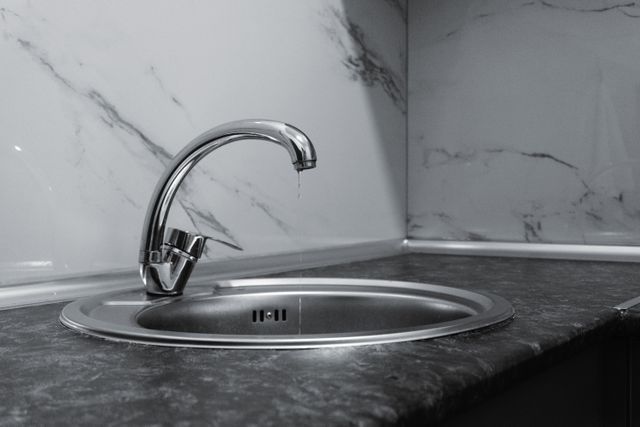
A dripping faucet or loose handrail may not seem urgent today, but minor maintenance concerns rarely stay minor for long. Delaying repairs can lead to higher costs, additional property damage, and growing frustration for tenants.
Prompt maintenance protects more than the building itself. It demonstrates professionalism, encourages tenant satisfaction, and often supports lease renewals by showing residents that their concerns are taken seriously.
8. Trying to Wear Every Hat
Self-management involves much more than collecting rent each month. One day may include coordinating a contractor, responding to tenant questions, reviewing lease documents, updating financial records, and researching changes to local rental regulations.
As your responsibilities grow, or as you acquire additional properties, it becomes increasingly difficult to give every task the attention it deserves. Recognizing when your workload is affecting decision-making is just as important as learning the technical aspects of property management.
9. Waiting Too Long to Ask for Help
Many landlords begin by managing their own properties, and plenty continue to do so successfully. Others eventually discover that the time commitment has become larger than expected or that increasingly complex responsibilities require additional expertise.
Professional property management is not simply about outsourcing work. It can provide structured leasing processes, market knowledge, established vendor relationships, legal awareness, and operational systems that help properties run more efficiently. For many investors, avoiding preventable mistakes ultimately saves more than attempting to handle everything alone.
Building Better Habits From Day One
DIY property management isn't about avoiding every challenge; unexpected situations are part of owning rental real estate. The goal is to create systems that help you respond consistently when those situations arise.

Careful tenant screening, informed pricing, organized documentation, timely maintenance, financial planning, and a solid understanding of landlord responsibilities all contribute to a stronger rental business. Developing these habits early helps protect your investment and makes self-management more manageable.
Bottom Line
Managing your own rental property doesn't have to be an all-or-nothing decision. Whether you need help pricing a vacancy, screening applicants, coordinating maintenance, or managing the entire property, professional support can reduce your workload while helping protect your investment.
Contact us today to learn how our
American Heritage Properties services can help you minimize costly mistakes, simplify day-to-day operations, and maximize your rental property's long-term performance.
Share this post