
The Benefits of Renting to Tenants with Pets

Key Takeaways
- Pet-friendly rentals can improve profitability by attracting a larger pool of qualified renters, reducing vacancies, encouraging longer tenancies, and creating opportunities for pet-related fee income where permitted.
- The risks of allowing pets can be managed through thorough tenant screening, clear lease terms, regular inspections, and consistent enforcement of pet policies.
- Practical property upgrades and a well-defined pet policy help protect the property, set clear expectations, and create a better experience for both landlords and tenants.
- Before allowing pets, landlords should review legal and insurance requirements to ensure compliance with fair housing laws and verify that their insurance coverage supports a pet-friendly policy.
Deciding whether to allow pets is more than a lease policy; it’s a business decision that can directly influence a rental property's occupancy, tenant retention, and long-term profitability. While concerns about property damage and liability are understandable, an outright no-pets policy may also limit access to a growing segment of qualified renters.
Today's rental market includes many responsible pet owners who actively prioritize properties that welcome their animals. With clear expectations, thoughtful screening, and well-defined lease policies, landlords can often capture this demand while managing the risks that come with pet-friendly housing.
Work with us at
American Heritage Properties to navigate all these new decisions.
Why More Renters Are Looking for Pet-Friendly Housing
Pets have become an important part of many households, making pet-friendly rentals increasingly desirable. Yet properties that allow animals remain relatively limited in many markets, creating an opportunity for landlords willing to accommodate responsible pet owners.

Expanding your rental criteria can expose your property to a broader pool of applicants. Rather than competing for a smaller group of renters, landlords may receive more inquiries and have greater flexibility to choose applicants who meet their financial and rental qualifications in San Diego.
In competitive rental markets, offering pet-friendly housing can also help a listing stand out and reduce the amount of time a property spends vacant. When renters discover a well-maintained property that welcomes pets, they may be more likely to schedule a showing and submit an application quickly, especially if comparable pet-friendly options are limited in the area.
Pet-Friendly Properties Can Support Stronger Rental Performance
The financial benefits of allowing pets often extend beyond simply filling vacancies.
Many landlords are permitted to charge pet-related fees or pet rent, depending on state and local regulations. These additional charges can help offset the extra wear that may occur while recognizing the added value many renters place on pet-friendly housing.
Pet owners also tend to remain in one home longer once they find a property that meets their needs. Because relocating with animals can be more complicated and suitable rentals may be harder to find, many choose to renew rather than move. Longer tenancies reduce marketing expenses, vacancy periods, and turnover costs, creating more stable rental income over time.

Stable occupancy also gives landlords greater financial predictability. Spending less time advertising vacancies, preparing units between tenants, and coordinating new move-ins allows property owners to focus more on maintaining their investment and planning for future improvements instead of repeatedly replacing residents.
Understanding the Responsibilities that Come with Pets
Allowing pets is not without challenges. Property damage, excessive noise, and conflicts between neighbors are legitimate concerns that landlords should evaluate before adopting a pet-friendly policy.
The good news is that many of these risks can be reduced through preparation rather than avoided altogether. Careful tenant screening, clear lease provisions, and consistent property oversight help establish expectations from the beginning and encourage responsible pet ownership throughout the tenancy.
Treating pets as a management issue instead of simply a leasing decision allows landlords to balance opportunity with responsible risk management. A thoughtful approach helps minimize common concerns while creating a positive rental experience for both property owners and residents.
The Property Features Pet Owners Appreciate
Not every improvement needs to be expensive to appeal to renters with pets.
Easy-to-clean flooring, secure fencing where appropriate, durable finishes, and practical outdoor areas often make daily life more convenient for both tenants and landlords. Adequate storage for pet supplies and thoughtfully maintained landscaping can also improve a property's overall appeal.
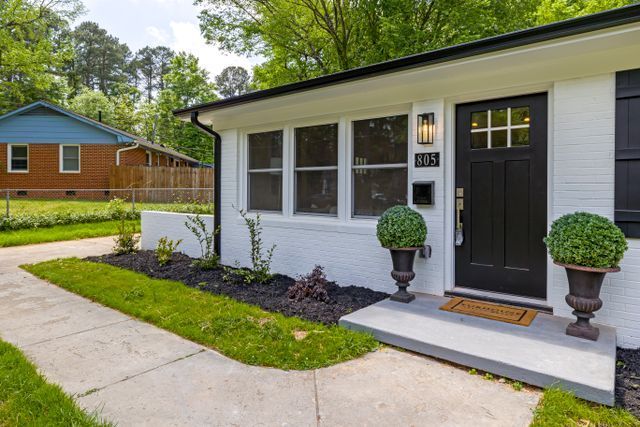
These features not only attract pet owners but can also reduce maintenance concerns over the life of the tenancy. Practical upgrades that improve durability and functionality often benefit all residents, making them worthwhile investments regardless of whether tenants have pets.
A Clear Pet Policy Protects Everyone
Successful pet-friendly rentals begin with clear expectations.
A written pet policy should explain which animals are permitted, any applicable restrictions, vaccination requirements, waste disposal expectations, and tenant responsibilities for pet-related damage. Establishing these guidelines before move-in helps reduce misunderstandings and provides a consistent framework for addressing concerns if they arise.
Routine property inspections and prompt communication further support positive landlord-tenant relationships while helping identify maintenance issues before they become more costly repairs.
Reviewing the pet policy with tenants before move-in also gives both parties an opportunity to clarify expectations, helping create a smoother tenancy and reducing the likelihood of disputes later in the lease.
Legal and Insurance Considerations
Before allowing pets, landlords should review both their legal obligations and insurance coverage.
Certain animals, such as
service animals and assistance animals, are generally subject to different legal protections than household pets under applicable fair housing laws. Understanding these requirements helps landlords remain compliant while treating applicants fairly.

Insurance policies should also be reviewed carefully. Some providers impose breed restrictions, liability limitations, or other requirements that may affect how a pet-friendly policy is implemented. Taking time to understand your coverage before approving pets can help reduce unexpected financial exposure if issues arise.
Is a Pet-Friendly Rental the Right Choice?
Every rental property is different, and allowing pets will not be the best fit for every owner or every property. However, when supported by careful screening, a comprehensive lease agreement, and proactive management, a pet-friendly policy can provide meaningful business advantages.
For many landlords, the ability to attract a wider range of qualified applicants, encourage longer tenancies, and reduce costly turnover outweighs the additional responsibilities that come with accommodating pets.
Evaluating your property's condition, insurance requirements, and management capacity can help determine whether a pet-friendly policy aligns with your long-term investment goals.
Bottom Line
Managing a pet-friendly rental requires more than simply saying "yes" to pets. Tenant screening, lease preparation, inspections, maintenance coordination, and consistent policy enforcement all play an important role in protecting your investment.
An experienced property management team like American Heritage Properties can help you implement a pet-friendly strategy that balances tenant demand with responsible property management.
Contact us today to learn how professional management can help you attract qualified renters, reduce vacancies, and maximize your property's long-term performance.
Share this post