
Should I Rent My House Furnished?

Key Takeaways
- Furnishing a rental in San Diego makes the most sense for owners targeting military PCS moves, biotech relocations, or academic terms rather than general long-term tenants.
- San Diego's Short-Term Residential Occupancy ordinance changes the equation entirely once a lease dips below 31 nights, adding licensing requirements that a standard furnished lease doesn't trigger.
- The premium rent a furnished home can command needs to cover furniture depreciation, faster turnover, and higher liability exposure.
- Coastal and near-base neighborhoods generally support furnished rentals better than inland family-oriented tracts.
- Clear lease language on damage, insurance, and inventory protects both the furniture and the landlord-tenant relationship.
San Diego property owners bring up furnished rentals more than owners in most other markets, and it's not hard to see why.
Between Naval Base San Diego, MCAS Miramar, a growing biotech corridor, and a steady stream of graduate students filtering through UCSD and SDSU, the county has no shortage of tenants who need a home for a defined stretch of time rather than a permanent one.
That demand makes furnishing tempting. It also makes the decision more complicated than it looks on the surface. Take a look at the pros and cons of a furnished rental with
American Heritage Properties.
Why Furnished Rentals Work Differently in San Diego
A furnished house in most cities competes against unfurnished listings on convenience alone.
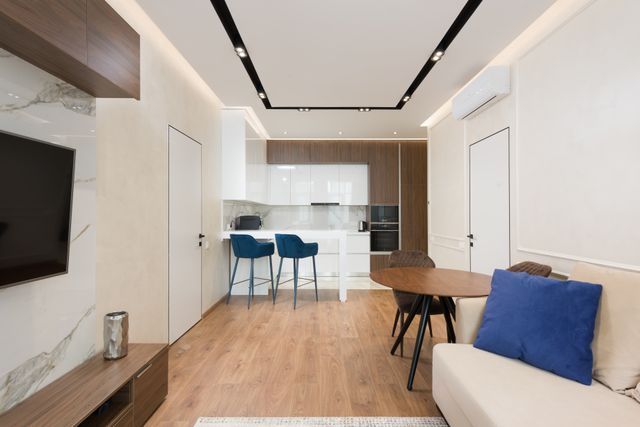
In San Diego, it competes against a housing market where PCS orders, contract researchers, and short academic terms create a real, recurring pool of tenants who don't want to buy a couch for eight months. That's the strongest argument for furnishing here.
The flip side is that this same demand pattern pulls owners toward shorter lease terms, and shorter lease terms bump right up against the city's rules on short-term rentals. That distinction matters more in San Diego than it does almost anywhere else in California.
The San Diego Short-Term Rental Rule Changes the Math
In San Diego, rental units require a Short-Term Residential Occupancy license if they’re to be occupied for less than one month, and the citywide caps on those licenses have been tight for years now, with some coastal tiers closed to new applicants entirely. This rule applies regardless of whether a unit is furnished.
What actually triggers it is the length of the stay. A furnished home leased for six months or a twelve-month term runs well past that one-month threshold and isn't an STRO at all. It's simply a furnished lease.
But the moment an owner starts furnishing with month-to-month or vacation-style stays in mind, occupancies under one month push the property into STRO territory, and licensing, occupancy caps, and neighborhood-specific restrictions come into play, with Mission Beach in particular having almost no room left for new operators.
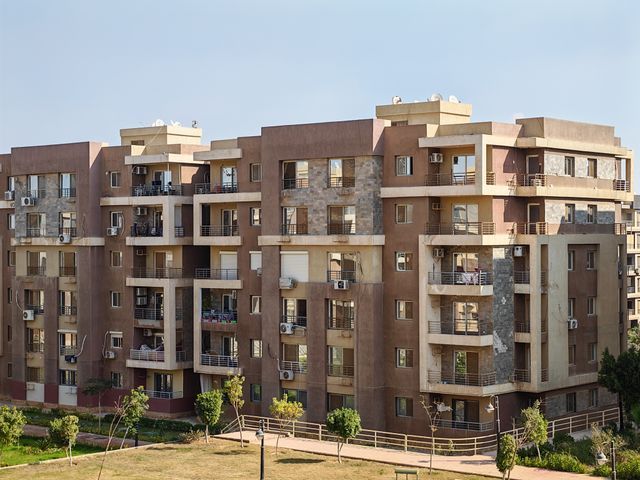
This is the first fork in the road for anyone weighing this decision. Furnishing for a standard 7-to-12-month lease is a business decision. Furnishing to chase stays under one month is a regulatory one, and it needs to be treated that way from the start.
What Tenants Actually Expect From a Furnished San Diego Home
Tenants tend to want the basics covered well: a functional kitchen, real beds, and enough seating and storage to get through a tour without shipping a household's worth of belongings across the country.
Biotech and pharma contractors coming in for a defined project timeline look for something similar, often with a home office setup since a chunk of that work happens remotely between lab days.
Matching the furnishing level to the target tenant avoids the common mistake of overspending on a rental that will mostly attract price-conscious renters, or under-furnishing a property in a neighborhood where military and corporate tenants expect more polish.
Weighing the Rent Premium Against Real Costs
Furnished homes near the bases and in biotech-adjacent neighborhoods like Sorrento Valley or Torrey Pines can rent for noticeably more than a comparable unfurnished unit. That premium needs to be measured against furniture replacement, faster wear from shorter tenancies, and the extra time spent turning a unit over between renters who typically stay less than a year.
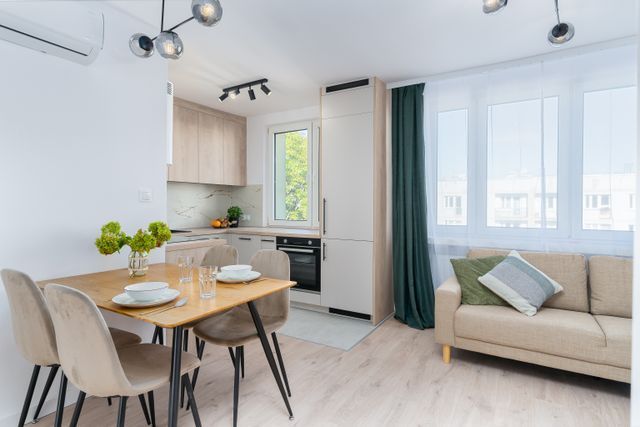
Depreciation on furnishings and appliances follows a different schedule than the structure itself for tax purposes, which catches a lot of first-time furnished-rental owners off guard at filing time. It's worth having a real conversation with a tax professional before assuming the extra rent is pure upside.
Screening and Turnover Take On More Weight
Shorter lease terms mean more turnovers, and more turnovers mean the tenant screening process carries more weight than it would with a five-year tenant. A consistent approach to finding and vetting the right applicants becomes even more important with a furnished property, since the furniture and appliances are additional assets exposed to whoever moves in next.
Documentation matters just as much on the way out. A clear move-in inventory, paired with an understanding of where ordinary wear ends and tenant responsibility begins, keeps disputes from dragging out past the lease term.
San Diego owners also need to stay current on how security deposit deductions have to be itemized under state law, since furniture damage claims get scrutinized the same way structural damage claims do.
Lease Terms Need to Cover the Furniture, Not Just the Walls
A furnished lease should spell out who's responsible for what almost item by item: what counts as
wear and tear versus damage, whether renters insurance is required to cover tenant belongings alongside landlord-owned furnishings, and how repairs or replacements get handled mid-lease.
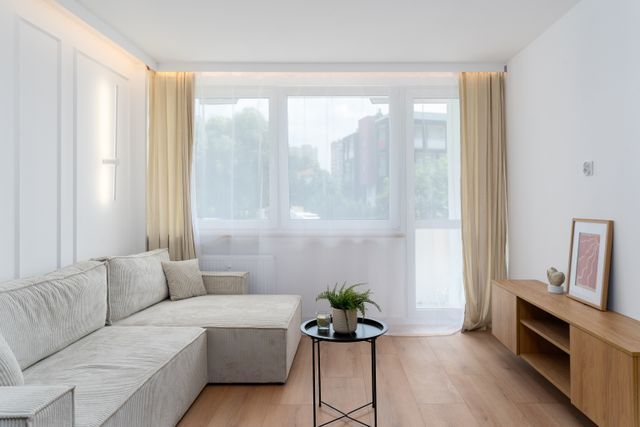
Owners drafting or updating a lease for a furnished property should look closely at how insurance requirements and other essential clauses get built into a strong lease agreement, since a generic unfurnished lease template usually leaves gaps here.
For owners new to renting out a property in this market altogether, it's worth stepping back and reviewing the fundamentals of putting a San Diego home up for rent before adding the extra layer of furnishing decisions on top.
Bottom Line
Furnishing a rental in San Diego can work well, particularly for owners near the bases, the biotech corridor, or the universities where tenants need a home for a set stretch of time.
It works best when the lease term runs one month or longer to stay clear of short-term rental licensing altogether, when the furnishing level matches the tenant an owner is actually trying to reach, and when the lease itself accounts for the extra assets sitting inside the property.
If you're weighing whether a furnished lease makes sense for your San Diego rental,
American Heritage Properties can walk through the specifics of your property, your target tenant, and what the numbers actually look like once the full picture is on the table. Reach out to start that conversation.
Frequently Asked Questions About Renting a Home Furnished
Is Renting A House Furnished More Profitable?
A furnished rental can generate higher monthly rent than a comparable unfurnished property, but the difference is only part of the investment calculation. Owners should account for the upfront cost of furniture, ongoing replacement of worn items, additional cleaning or preparation between leases, storage when furnishings change, and potentially more frequent turnovers.
How Much Should I Spend Furnishing A Rental Property?
There is no universal furnishing budget that works for every San Diego rental. Start with the property's size, condition, location, expected lease term, and the level of rent the market can reasonably support. Prioritize durable essentials such as beds, seating, dining furniture, window coverings, and functional kitchen equipment before adding decorative upgrades.
What Should A Furnished Rental Lease Cover?
A furnished lease should identify the furniture, appliances, and other personal property included with the rental and establish how those items are to be maintained and returned. Owners may also want the agreement to address repairs, replacement of damaged items, move-in documentation, insurance requirements if applicable, and procedures for reporting problems.
Does A Furnished Rental Need A Short-Term Rental License in San Diego?
Not necessarily. In the City of San Diego, the Short-Term Residential Occupancy ordinance applies to occupancy of a dwelling unit, or part of one, for less than one month. A furnished home rented under a conventional lease of one month or longer is therefore different from an STRO simply because it contains furniture.
Can Furnished Rentals Increase Turnover and Maintenance Costs?
They can, particularly when the property's leasing strategy involves shorter terms. More frequent move-outs can mean additional cleaning, inspections, marketing, coordination, and wear on both the home and its furnishings. Furniture also creates another layer of assets to track and maintain, from mattresses and sofas to appliances and electronics.
Share this post