
Emergency Maintenance 101: What Actually Counts as an Emergency
Key Takeaways
- True rental emergencies threaten safety, health, or the structural integrity of the home, such as burst pipes, gas leaks, or a complete loss of heat.
- Routine repairs like a slow drain or a broken ice maker can wait for regular business hours even if they feel urgent to the tenant.
- California's habitability standards under Civil Code Section 1941.1 set the legal floor for what a landlord must fix without unreasonable delay.
- A 24-hour emergency maintenance hotline staffed by a property manager, rather than a voicemail box, is what separates a quick fix from a costly overnight problem.
- Documenting every emergency call and repair protects owners if a tenant later disputes habitability or withholds rent.
A 2 a.m. phone call about water coming through the ceiling is not the same problem as a tenant texting about a squeaky cabinet hinge, but plenty of owners struggle to tell the two apart until they're already on the phone with a plumber at overtime rates.
Emergency maintenance rental calls are one of the most misunderstood parts of owning a single-family home or condo in San Diego County, and getting the definition wrong costs owners money in either direction: paying emergency rates for something that could have waited, or ignoring something that genuinely couldn't.

American Heritage Properties has fielded after-hours maintenance calls on San Diego rental homes since 1981, and this guide breaks down what actually qualifies as urgent repairs, what doesn't, and how a property manager should handle the calls that come in after the office closes.
True Emergencies vs Routine Repairs
Not every maintenance request that arrives on a weekend or after 6 p.m. is an emergency in San Diego. The distinction comes down to whether the condition threatens someone's safety, someone's health, or the home itself if it goes untreated overnight.
What Qualifies as a True Emergency
- Burst or actively leaking pipes that are flooding a room or soaking through a ceiling or wall.
- No heat during cold weather, particularly when the home has no working alternative source of heat.
- No water at all, whether from a main line failure or a well or pump issue.
- A gas odor anywhere in or around the home, which should be treated as an emergency and reported to the gas utility as well as the property manager.
- Electrical hazards such as exposed wiring or a complete loss of power in the home.
- Sewage backup into a tub, toilet, or floor drain.
- A broken exterior door or window that leaves the home unsecured, or a lock failure that traps a tenant inside or out.

It’s a great idea to get to know what qualifies as emergency repairs to avoid further issues.
What Can Wait Until Regular Business Hours
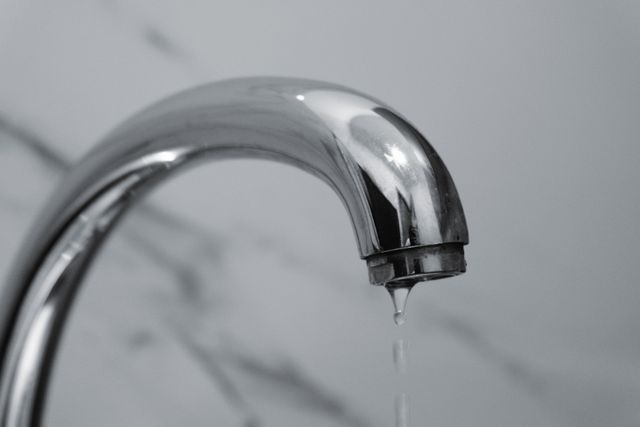
- A dripping faucet or a slow bathroom drain.
- A single non-functioning appliance, such as a dishwasher or ice maker, when the tenant still has access to a working kitchen.
- Minor pest sightings that aren't an active infestation.
- Cosmetic issues: chipped paint, a torn window screen, a loose cabinet handle.
- A running toilet, provided there's a second working bathroom in the home.
The line between the two lists is
habitability and safety, not inconvenience. A tenant being uncomfortable is not automatically an emergency; a tenant being unsafe or without a basic utility is.
California's Habitability Rules Set the Floor
California doesn't leave "what's an emergency" entirely up to a landlord's judgment. Civil Code Section 1941.1 lists the conditions a rental home must meet to be considered habitable, including effective waterproofing, working plumbing and gas facilities, a heating system in good working order, and electrical wiring that's safe.
Civil Code Section 1942 also gives tenants a repair-and-deduct remedy, and in some cases the right to withhold rent, when a landlord doesn’t address a habitability issue within a certain timeframe.

That legal backdrop is exactly why the emergency list above focuses on heat, water, gas, electrical, and structural security. Those are the categories California law treats as basic habitability, and they're also the categories a San Diego property manager can't afford to sit on overnight.
A Simple Decision Framework Before You Call It an Emergency
Owners who self-manage, or who are weighing whether to keep self-managing, can run almost any maintenance call through three questions:
1.
Is anyone's safety or health at immediate risk? Gas smells, exposed wiring, and sewage in a living space all fail this test.
2. Will waiting until morning cause real damage to the property? An actively leaking pipe will do more damage at 8 a.m. than it would have at 8 p.m. if it sits untouched all night.
3. Does the condition remove a basic habitability item the home is required to provide? No heat, no water, and no working toilet all qualify. A broken garbage disposal does not.
If the answer to any of those is yes, it's an emergency, and it needs a same-night response. If the answer to all three is no, it can go on the next business day's repair list.
How American Heritage Properties Handles After-Hours Calls
American Heritage Properties runs a 24-hour emergency maintenance hotline for the homes it manages across
San Diego County, staffed rather than routed to a generic answering service.

When a tenant calls in after hours, the person answering is trained to run the same kind of triage described above: confirm what's happening, rule out immediate danger, and dispatch a vetted trade partner directly if the situation qualifies as urgent.
A lot of property management companies advertise "24-hour emergency service" that turns out to be a voicemail box checked the next morning. Our team-based structure, with a named senior property manager, property manager, and assistant assigned to each owner's account, means the person triaging an after-hours call already knows the property.
Once a vendor is dispatched, the owner is notified, and the repair is documented, which matters again later if there's ever a dispute about whether a condition was addressed promptly.
That documentation habit carries through the rest of the tenancy too, from the two-part video and written move-in inspection through to move-out, so there's a consistent record of the home's condition rather than a gap that only shows up when something goes wrong.
Protecting the Property Between Emergencies
Emergency calls are the visible part of maintenance, but the bigger risk for most San Diego owners is the deferred maintenance that never becomes an emergency call at all.
A slow roof leak that a tenant mentions once and never follows up on (see more on
encouraging tenants to report repairs), a water heater nearing the end of its life, or a garbage disposal that's been "acting up for a while" can quietly turn into a five-figure repair if nobody's tracking it.
Vetted trade partners who see a property regularly, paired with documented inspections, catch those problems before they become 2 a.m. phone calls in the first place.
Bottom Line
Getting emergency maintenance right comes down to a habitability test, not a comfort test. If a condition threatens safety, health, or the physical integrity of the home, it needs a same-night response regardless of the hour.
If it's an inconvenience that doesn't rise to that level, it can wait for the next business day without putting anyone at risk or exposing the owner to a habitability claim. What separates owners who handle this well from owners who get burned isn't luck; it's having someone answer the phone who actually knows the property and can make that call correctly the first time.
American Heritage Properties built its after-hours process around that distinction, because a missed emergency and an unnecessary overtime bill cost an owner in very different ways. If you're weighing whether your current setup, or your own after-hours availability, can reliably tell the two apart, that's worth a conversation.
Frequently Asked Questions About Emergency Maintenance
What Should A Tenant Do If They're Not Sure Whether Something Is An Emergency?
A tenant who's unsure should still call the emergency line and describe the condition rather than guessing and waiting. The person answering can ask a few questions, confirm whether it meets the safety or habitability threshold, and either dispatch someone that night or schedule it for the next business day.
Does A No Air Conditioning Complaint Count As An Emergency In San Diego?
Air conditioning failures are treated differently than heat failures under California's habitability standards, since air conditioning generally isn't a required amenity the way heat is.
In San Diego's climate, a lack of air conditioning is usually addressed as a standard repair rather than an emergency, though extreme heat events or a home with a medical accommodation on file can change that assessment.
Who Pays For Emergency Repairs On A Rental Home?
Responsibility for the repair cost generally follows ownership of the item that failed and the terms of the lease, not the fact that the repair happened after hours.
A property manager typically has authority to approve emergency repairs up to a set spending threshold without contacting the owner first, specifically so a genuine emergency doesn't sit unaddressed while everyone waits on a phone call.
Can A Tenant Withhold Rent If An Emergency Repair Isn't Fixed Quickly?
California law does give tenants remedies, including rent withholding or repair-and-deduct, when a landlord fails to address a genuine habitability problem within a reasonable time after being notified.
How Does Hiring A Property Manager Change After-Hours Maintenance Response?
A self-managing owner is the after-hours contact by default, which means every emergency call, regardless of the hour or the owner's location, lands directly on them. A property manager with a staffed emergency line and a bench of vetted trade partners can triage and dispatch without the owner being woken up.
Share this post