
Rental KPIs That Matter: How Investors Track Performance

Key Takeaways
- Vacancy rate measures the percentage of days a unit sits empty against total available days, and San Diego's citywide rate has climbed to roughly 5.4% to 5.7%, the highest since 2009.
- Turn time is the number of days between move-out and a signed new lease, and most San Diego submarkets are currently leasing in 20 to 32 days.
- Turnover cost includes lost rent, make-ready repairs, cleaning, and marketing, not just the visible repair invoice.
- Maintenance response time and average repair cost per unit affect resident retention as much as they affect the monthly expense line.
- Tracking these numbers consistently matters more in a softening market, where the gap between a well-run property and a neglected one shows up directly in owner cash flow.
Owners who track rental KPIs make better decisions than owners who only check the bank balance once a month. Vacancy rate, turn time, and maintenance spend are the three numbers that tell you whether a San Diego rental is performing or quietly losing money.
In a market where citywide vacancy has climbed to its highest level since 2009, guessing isn't a strategy.
American Heritage Properties has been tracking these figures for San Diego owners since 1981, and this piece walks through how to calculate each metric, what benchmark to aim for, and where the numbers tend to go wrong.
Why Rental KPIs Matter More In A Softening San Diego Market
San Diego shifted from a landlord's market to a balanced one over the past several years. Citywide vacancy sat near 2.6% in 2021 and has since climbed to somewhere between 5.4% and 5.7%, depending on the data source, the highest reading since 2009.
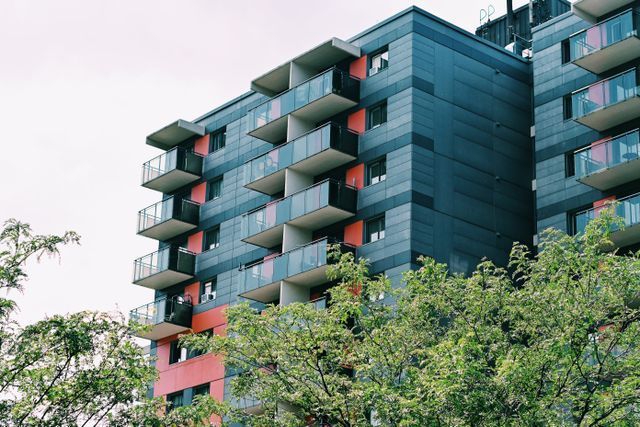
Roughly 6,200 new units were delivered in 2025, with another 3,600 to 4,000 projected for 2026, concentrated in Mission Valley, Kearny Mesa, Bankers Hill, and Serra Mesa.
That new supply is mostly large multifamily, and downtown vacancy has reached nearly 12%. Single-family homes and condos in Scripps Ranch, Poway, Carmel Valley, and Mira Mesa face less direct competition from that construction wave.
Coastal areas like Del Mar, Encinitas, and Solana Beach are still running close to 3% vacancy. The point is that averages hide a lot, and an owner who only glances at a citywide headline number won't know where their own property actually stands. That's why owners need their own KPIs, not just market commentary.
Vacancy Rate: The First Number To Track
Vacancy rate tells you what percentage of available days a property sat empty over a given period.
Formula: Vacancy Rate = (Vacant Days ÷ Total Available Days) × 100
For a single home rented year-round, take the number of days it sat vacant and divide by 365. A home vacant for 18 days in a year has a vacancy rate of about 4.9%.
Turn Time: Days To Fill And Why It Compounds Vacancy Loss
Turn time, sometimes called average days to fill, measures how long a property sits between a resident moving out and a new lease starting. It's related to vacancy rate but isolates the operational speed of the turnover itself.
Formula: Turn Time = Move-In Date of New Resident − Move-Out Date of Previous Resident
Break this into two pieces for
California: rent-ready time (getting the home cleaned, repaired, and inspected) and marketing time (advertising until a qualified applicant signs). A slow rent-ready process delays marketing before it even starts, which is why the two numbers should be tracked separately, not blended.
Turnover Cost: The Number Owners Often Underestimate
Turnover cost is the total dollar impact of one resident leaving and the next one moving in. Owners frequently underestimate this because they only count the repair invoice and forget the lost rent sitting alongside it.
Formula: Turnover Cost = Lost Rent During Vacancy + Make-Ready Repairs + Cleaning and Painting + Marketing and Advertising Spend + Any Leasing-Related Costs
For example, a home renting at $2,979 a month that sits vacant 15 days loses roughly $1,490 in rent alone. Add a few hundred dollars in cleaning, a coat of paint, furniture repair if
the rental is furnished, and minor repairs, and a turnover that looks small on paper can easily run $2,000 to $3,500 in San Diego before a new resident ever pays a dollar.
Maintenance Spend And Response Time
Maintenance KPIs cover two different things: how much you spend and how fast issues get handled. Both affect the home's condition and the resident relationship.

Maintenance Spend Formula: Annual Maintenance Cost ÷ Annual Gross Rental Income × 100
Maintenance Response Time measures hours between a resident reporting an issue and a vetted trade partner making contact, and separately, days until the repair is completed.
Slow response on habitability issues, like no heat or a plumbing leak, creates legal exposure under
California's residential habitability standards and tends to accelerate resident turnover, which drives up the other two KPIs.
A documented inspection process before and after every tenancy helps establish exactly what condition the home was in, which matters both for maintenance planning and for security deposit disposition. It also helps owners
avoid common mistakes.
How American Heritage Properties Helps Owners Track These Metrics
American Heritage Properties has managed single-family homes and condos in San Diego County since 1981, and tracking these numbers is built into how the team operates. Owners receive monthly and year-end statements through the Owner Portal, giving visibility into rent collection, maintenance charges, and vacancy periods without waiting on a phone call.
The company's two-part inspection process, video documentation plus a written report, happens before every tenancy and again at move-out, which creates a documented condition history that supports faster, more predictable turns.
A 24-hour emergency maintenance hotline and vetted local trade partners keep response times consistent rather than dependent on whoever picks up the phone that day.

Because American Heritage Properties manages only single-family homes and condos, and doesn't take on HOA or commercial accounts, the team isn't stretched across property types with different maintenance and leasing rhythms.
That focus is part of how the company has kept its eviction rate under 1% for several years running, since screening depth and consistent maintenance follow-through directly reduce the turnover and vacancy events that drive most of these KPIs in the wrong direction.
Bottom Line
Vacancy rate, turn time, and turnover cost aren't three separate problems. They're three views of the same underlying question: how efficiently is a property moving from one resident to the next, and how much condition and value does it lose along the way.
In a San Diego market where citywide vacancy has reached its highest point since 2009 but coastal and inland single-family submarkets are behaving very differently from downtown high-rises, owners who track their own numbers make sharper decisions than owners relying on headline averages.
American Heritage Properties has built its process, from documented inspections to a named team per property, around keeping those numbers where they belong. If you want a clearer read on how your San Diego home is performing, request a free rental analysis or call the office to talk through your specific property.
Frequently Asked Questions About Rental KPIs
What Is A Good Vacancy Rate For A San Diego Rental Property?
A well-managed single-family home or condo typically runs a 3% to 5% annual vacancy rate, which works out to roughly one to two and a half weeks of vacancy per year.
Citywide vacancy has climbed to between 5.4% and 5.7% as of 2026, the highest since 2009, but that figure blends downtown high-rises running near 12% vacancy with coastal and inland single-family submarkets running much lower. Compare your property's own numbers against similar homes in your specific neighborhood rather than the citywide average alone.
How Do I Calculate My Actual Turnover Cost Per Unit?
Add up lost rent during the vacancy period, make-ready repairs, cleaning and painting, and any marketing spend used to find the next resident. Divide that total by your annual rental income to see turnover cost as a percentage.
Many owners only track the repair invoice and miss the lost rent, which is usually the largest single component. Tracking the full number year over year shows whether turnover costs are trending up because of resident quality, deferred maintenance, or slow turn times.
What Counts As An Acceptable Turn Time In San Diego?
Most San Diego submarkets are currently leasing homes in 20 to 32 days once the property is market-ready, based on 2026 leasing data. Within that window, a home should typically move from move-out to rent-ready condition in 5 to 10 days, with the remaining time spent marketing and processing applications.
Turn time tends to compress during peak leasing season, roughly late spring through summer, and stretch out from Thanksgiving through New Year when overall leasing activity slows.
How Much Should I Budget For Annual Maintenance On A Rental Home?
A reasonable planning range is 5% to 10% of gross annual rental income for a single-family home or condo in decent condition, though homes coming off a long tenancy without recent updates often run higher in the first year or two.
This figure should cover routine repairs, seasonal upkeep, and minor make-ready work between tenancies. Larger capital items, like a roof or HVAC replacement, typically fall outside this operating budget and should be planned for separately based on the age and condition of major systems.
Why Does Maintenance Response Time Affect Vacancy And Turnover Numbers?
Slow response to maintenance requests, particularly habitability issues like heating or plumbing failures, is one of the more common reasons residents choose not to renew a lease. That drives up both vacancy rate and turnover cost, since a non-renewal means another turn, another marketing period, and another make-ready cycle.
Fast, documented response also protects the owner if a habitability dispute ever arises, since California law places specific obligations on landlords to address these issues within a reasonable timeframe.
Share this post