
Lowering the Rent vs. Waiting for a Higher-Paying Tenant

Key Takeaways
- Waiting for a higher-paying tenant can feel disciplined, but every vacant day costs money, so the question is whether the extra rent you hope to earn will outweigh the income you lose while you wait.
- Lowering the rent makes sense when current listings and showing activity show your price is above what the market will bear, and a small reduction often beats a long vacancy.
- Use current comparable listings and your own costs to decide, and verify company-stated claims and local rules before you act.
Every landlord eventually faces this standoff. The home has been listed for weeks, showings are slow and the applications you have received are not what you hoped for. You could hold firm and wait for a tenant willing to pay your price, or you could lower the rent and fill the home sooner. Both choices feel risky, and the longer the home sits empty, the more pressure you feel.
This guide from
American Heritage Properties explains how to think through the choice for a rental in San Diego. It is general education, not financial advice. Your property, costs and market are unique, so use the framework below with your own numbers.
The Cost of Waiting
The most important number is what each vacant day costs you. Divide your monthly rent by thirty to see the lost income per day. Then add a daily share of the costs that continue regardless. The result is the true price of waiting.

In an expensive market like San Diego, where rents and carrying costs are high, each empty week is especially costly. Seen this way, a rent reduction that looks painful often looks modest. If a small cut fills the home weeks sooner, the saved vacancy may exceed the lost rent over a full lease.
A Simple Break-Even Calculation
You can test the trade-off with basic arithmetic. Suppose you lower the rent by a certain amount per month. Multiply that amount by the number of months in the lease to see the total reduction. Then compare it with the rent you would lose for each extra week the home stays vacant.
- Find the total rent you would give up over the lease by lowering the price.
- Estimate how many weeks sooner the lower price might fill the home.
- Multiply those weeks by your weekly rent and continuing costs.
- If the saved vacancy exceeds the lost rent, lowering the price may be the better move.
The estimate depends on assumptions about how fast the home will lease, so be conservative and use real data wherever you can.
What Does Higher-Paying Really Mean?
Waiting for a higher-paying tenant can mean two different things. One is waiting for someone who will pay a higher rent. The other is waiting for a stronger applicant, with better income, credit and history. These are not the same, and it is worth being clear about which you mean.

If you are waiting for a stronger applicant at the same rent, patience may be justified, because tenant quality has real value. If you are waiting for someone to pay more than the market supports, the wait may never end. Decide what you are actually trying to achieve.
Read the Market, Not the Mood
The key evidence comes from the local market. Look at current listings of comparable homes, and compare size, condition, features, location and rent. Note how long similar homes take to lease and how many have reduced their rents. If your home is priced well above comparable listings, a longer vacancy is likely.
Your own activity data tells you something too. How many inquiries and showings are you getting, and what do prospective tenants say? Many inquiries but few applications may point to condition or presentation, while few inquiries may point to price or marketing quality.
Diagnose Before You Discount
Price is only one reason a home sits. Before you cut the rent, check other possible causes, because they may be easier and cheaper to fix.
- Photos and description: poor images and vague descriptions reduce interest.
- Condition and cleanliness: a home that looks tired or dirty loses applicants quickly.
- Availability and showings: limited showing times make it hard for tenants to see the home.
- Terms: strict pet, lease length or screening terms may narrow your pool.
- Timing: the season can affect how many people are searching.
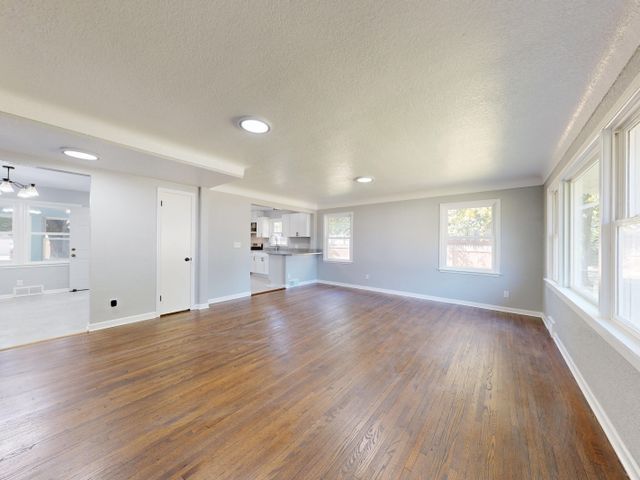
Fixing the real problem may fill the home without any reduction. If price is truly the issue, the evidence from comparables and showings will usually show it.
When Holding Out Can Make Sense
There are situations where waiting is reasonable. If your home is exceptional and priced in line with strong comparables, and interest is high, you may simply need a little more time. If you are waiting for a qualified applicant who is already in the process, patience may pay. If your financial position allows it and you have good evidence for your price, holding can be defensible.
The danger is waiting without a plan. Set a deadline, and decide in advance what you will do if the
California
home has not been leased by then. Write the plan down before you list, so emotion does not take over later. A short note with dates and trigger points is enough.
When a Reduction Is the Better Choice
A reduction makes sense when comparable listings are clearly lower, when showings are few despite good presentation or when the cost of continued vacancy is rising. Rather than a steep cut, consider smaller, staged reductions that test the market.
You can also consider
alternatives to cutting the rent, such as offering a flexible move-in date or including a small benefit. Weigh each carefully, since concessions have costs too, and avoid sacrificing screening standards to fill the home quickly.

If you do offer a concession, put it in writing and make sure it is the same for every applicant, so that it supports fair housing compliance and does not become a source of disputes later.
Protect Your Screening Standards
Pressure to fill a home can tempt owners to lower their standards, and that is often a mistake. A tenant who pays late, damages the property or leaves early can cost far more than a few extra weeks of vacancy. Keep your written screening criteria and apply them consistently, regardless of how long the home has been listed.
Fair housing laws apply to advertising, showings and screening, and California's rules are detailed. Verify current requirements with an
experienced property manager, and consult a qualified attorney with questions. Keep a log of every inquiry, showing and application, including the date and the outcome, to support your decisions.
Local Considerations in San Diego
San Diego's rental demand reflects its employers,
universities, military presence and lifestyle appeal. Leasing activity can follow patterns tied to the school year and to relocations, and neighborhoods differ widely. A manager who works in the area every day knows current rents and
how quickly homes lease.

California has detailed landlord-tenant laws, including rules about deposits, notices and, in some cases, rent regulation, and the city adds its own requirements. Verify current requirements and consult a qualified attorney with legal questions.
Common Mistakes to Avoid
- Pricing based on what you need rather than what the market supports.
- Ignoring the daily cost of vacancy.
- Cutting the rent without checking photos, condition and showings first.
- Waiting without a deadline or a plan.
- Lowering screening standards to fill the home quickly.
Bottom Line
The choice between waiting and lowering the rent comes down to arithmetic and evidence. Know what each vacant day costs, compare your price with current comparable listings, diagnose other possible problems and set a deadline. A modest, well-timed reduction often beats a long wait, but do not sacrifice your screening standards.
At
American Heritage Properties, we know the intricacies of property management. We can help you both set a rent that makes sense and find a tenant suitable for your property. We’re ready to help you.
Frequently Asked Questions About Rent Changes and Tenants
When should I consider lowering my rent?
There is no single answer. Compare your price with current listings, watch showing activity and set a deadline in advance. If the market evidence shows your price is too high, a modest reduction sooner is usually better than a long wait.
How much should I lower the rent?
Start with the evidence from comparable listings. A modest, staged reduction can test the market without giving up more than necessary. Calculate the break-even using your daily vacancy cost.
Could something other than price be keeping my home vacant?
Yes. Photos, condition, availability, lease terms and timing all matter. Check these first, since fixing them may fill the home without a reduction. American Heritage Properties can discuss pricing at (858) 695-9400.
Is it a mistake to lower my screening standards?
Usually yes. A poor tenant can cost far more than a few extra weeks of vacancy. Keep your criteria in writing and apply them consistently.
Can a property manager help me decide?
Yes. A manager can analyze comparable listings, review your showing activity and recommend a pricing strategy. Ask for terms in writing, and treat company-stated claims as points to confirm.
Share this post