
Rent-Ready Turn Process: A Checklist for Faster Lease-Up
Key Takeaways
- Start the turn before the tenant hands back the keys, because the inspection and repair list set the pace for everything after them.
- Schedule paint after repairs and flooring after paint, and book the final cleaning last.
- Photograph and list the home as soon as it is finished so screening starts without vacancy pressure.
A vacant San Diego home costs about $98 a day at the metro median rent of roughly $2,979. Most of that loss piles up between the old tenant's last day and the new listing's first showing. A written rent ready checklist closes that gap.
American Heritage Properties has managed single-family homes and condos since 1981, and our make-ready process comes down to sequence: the right trade on the right day, with each stage documented. Below is the six-step version, with a rough timeframe for each step and an explanation of how turn time affects both vacancy and the applicants you screen.
Why Turn Time Drives Your Vacancy Loss
The math is simple. A 30-day turn instead of a 14-day turn leaves about $1,570 uncollected at the median rent, before utilities and lawn care. Your rent will differ, but the arithmetic won't. A home that is ready in week one meets that demand sooner than one still waiting on a painter.
A Rent-Ready Checklist in Six Steps
The timeframes below are working targets for a home needing cleaning, minor repairs, and paint.

Steps overlap, so the total lands near 7 to 10 days. Major repairs will run longer.
Step 1: Inspect the Home (Day 0 to 1)
Walk the home with the last tenancy's move-in video and report in hand. We record a fresh video and a written inspection between tenancies, so every turn starts from a documented condition in San Diego.
- Compare current condition to the move-in record.
- Test smoke and carbon monoxide alarms, GFCI outlets, the water heater, and HVAC.
- Run every faucet, drain, and appliance.
- Check the roofline, gutters, irrigation, fences, and garage door.
- Build one repair list with a trade and a date beside each item.
Order materials the same day. Waiting a week on a part is how a 9-day turn becomes a 25-day turn.
Step 2: Clean Out and Clean (Day 1 to 2)
Start with a trash-out and a first deep clean so trades can see every surface.
- Remove all debris, leftover items, and anything stored in the garage or yard.
- Degrease the kitchen, oven, and range hood.
- Scrub bathrooms, tile, and grout.
- Clean windows, tracks, and blinds.
- Hold carpet and floor cleaning until paint is done.
Step 3: Make Repairs (Day 2 to 5)
Fix safety and habitability items first, then everything an applicant will notice.
- Repair leaks, running toilets, and slow drains.
- Fix doors, locks, screens, and cabinet hardware.
- Rekey the locks.
- Replace filters, bulbs, and alarm batteries.
- Patch drywall before the painter arrives.
Agree on a
maintenance spending limit with your property manager before the turn starts. An approval that sits in an inbox costs days. We coordinate vetted trade partners so the repair list gets worked in one pass.
Step 4: Paint and Finish Floors (Day 4 to 7)
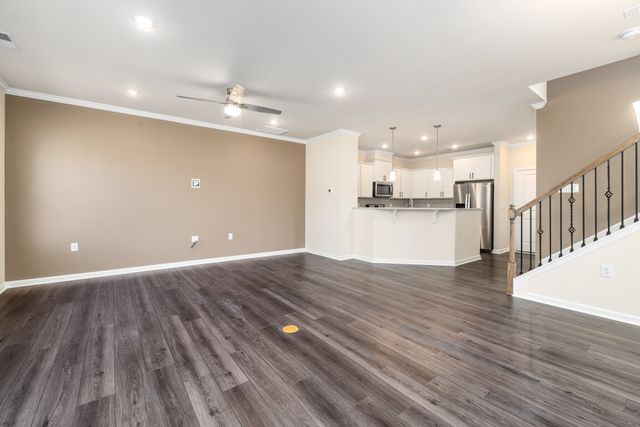
Touch up where walls are scuffed and repaint where they are damaged or discolored. Use a neutral color and the same one throughout the home, so future touch-ups match. Finish flooring after paint, then do a final detail clean.
Step 5: Photograph the Home (Day 7 to 8)
Photograph the home only after the final clean.
- Open blinds and turn on every light.
- Shoot in daylight, every room, plus the exterior and yard.
- Mow, edge, and clear walkways first.
- Show the home as it is, without edits that change its condition.
Applicants compare photos to what they see in person. Accurate photos cut wasted showings.
Step 6: List and Market (Day 8 to 9)
Publish with the rent from your rental analysis and complete details. Our marketing runs through RentHomes.com, syndicated listing sites, a military housing website, for-rent signage, and employer distribution lists. We also send neighbor notification letters, and Saturday leasing coverage means showings don't wait for Monday.
How a Faster Turn Improves Who Applies
Vacancy pressure pushes owners to rush screening. A home listed on day 9 leaves room for thorough screening, while one listed on day 25 pushes owners toward the first approved applicant. Our screening includes live interviews with current and previous landlords and employers. Those calls take days, and
a ready home gives them that time.
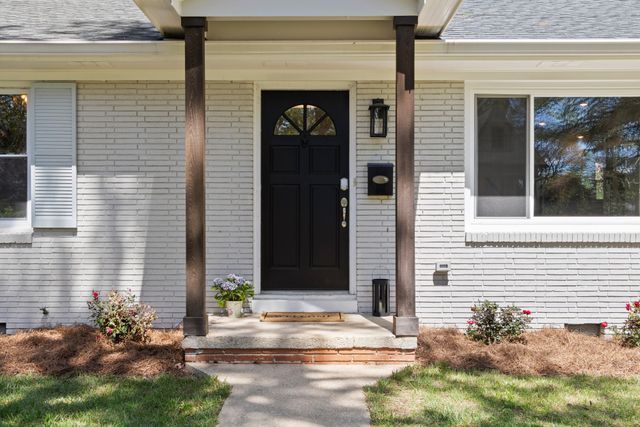
A finished home with accurate photos also draws applicants who have seen what they will get. We can't promise any particular tenant, but we can control how complete the home is on the first showing. The documented inspection helps later too. When move-out comes, the condition record is already in hand.
Bottom Line
Turn time comes down to how few days a home waits on someone: a trade, an approval, a photographer. The owners who lose the least rent settle the repair scope and spending limit before the tenant leaves, and they keep a documented record of condition from move-in through move-out.
Protecting the home's condition is a top priority for the owners we serve, and that record supports it. Screening also gets the time it needs when the home is ready on schedule.
American Heritage Properties has turned homes across San Diego County since 1981. Tell us about your property and request a free rental analysis.
Frequently Asked Questions About the Rent-Ready Turn Process
How Long Should a Turn Take in San Diego?
For a home needing cleaning, minor repairs, and paint, a reasonable target is 7 to 10 days from move-out to a live listing. Flooring replacement, appliance orders, or permitted work add days, since lead times vary by item and trade. These are working targets, not promises. The day-one inspection shows which range applies.
Should I Market the Home Before the Turn Is Finished?
You can post an available date and take inquiries while work is underway. Hold photos and showings until the home is finished. Photographs of a half-painted house with open repair items mislead applicants, and a disappointing showing wastes more time than it saves.
Early marketing works best when trades are already booked, so the available date is believable. It suits situations where the tenant gave notice weeks ahead and the vacate date is firm.
What Does California Require for Security Deposits at Move-Out?
California Civil Code 1950.5 sets the rules. Landlords must offer tenants an initial inspection before move-out and, if the tenant requests one, give 48 hours' written notice. Deductions are limited to unpaid rent, cleaning to return the unit to its move-in condition, and damage beyond normal wear and tear.
Landlords generally must send an itemized statement within 21 days, with receipts for repairs over $125. This is educational, not legal advice. Confirm current requirements with counsel.
Should I Repaint Between Every Tenant?
Not always. Let the documented condition decide. If walls have scuffs and a few nail holes, patching and touching up may be enough. If paint is stained, faded, or damaged, or touch-ups won't match, repaint the affected rooms or the whole home.
Compare the move-out video and written report to the move-in record. That comparison also helps separate normal wear from damage when the deposit is settled.
How Can an Out-of-State Owner Follow a Turn?
The two-part inspection gives you a line of sight. The video and written report show what the home looks like and what needs work. Settle the repair scope and maintenance spending limit before the tenant moves out, so approvals don't stall the work from another time zone.
Statements and documents are available through the Owner Portal. Military owners with PCS orders should start early, since the heaviest leasing runs May through August.
Share this post